
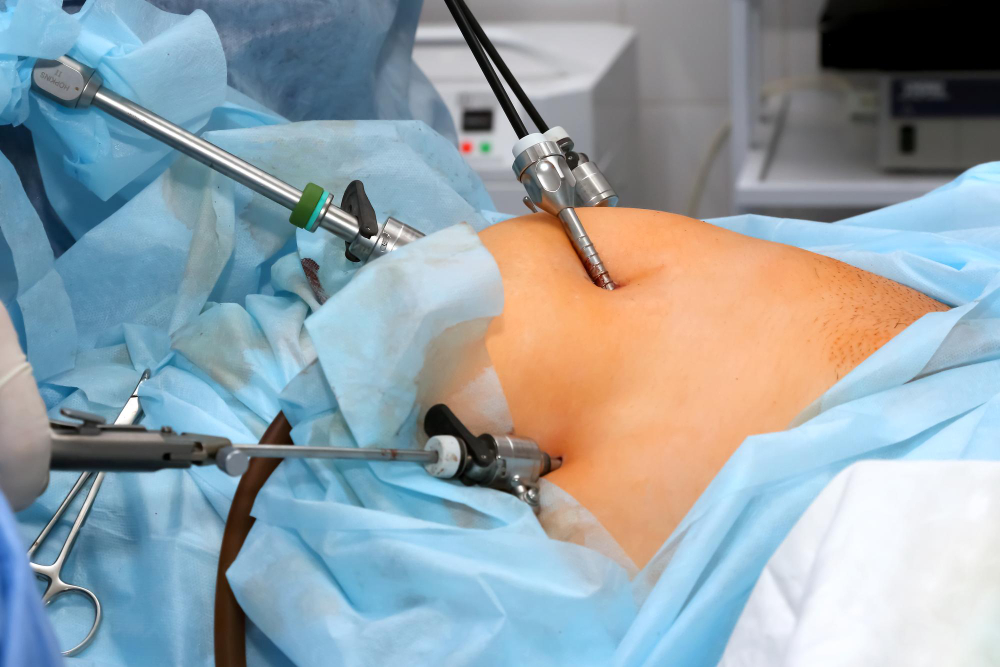
Laparoscopic hernia repair is a modern, minimally invasive surgery. It helps fix hernias with small cuts and special tools. Many people choose this method because it often means less pain and a faster recovery. In this blog, you will learn what laparoscopic hernia repair is, how it works, its benefits, risks, and what to expect during recovery. If you or a loved one has a hernia, this guide will help you understand your options.
What is Laparoscopic Hernia Repair?
A hernia happens when an organ or tissue pushes through a weak spot in the muscle. Laparoscopic hernia repair is a type of minimally invasive hernia surgery. Instead of one large cut, the surgeon makes a few small cuts. Through these, they use a camera and tiny tools to fix the hernia. Because of this, the surgery is less painful and leaves smaller scars. The main goal is to move the tissue back and strengthen the weak area with mesh.
Symptoms and Diagnosis of Hernia
Hernias can cause different symptoms. Sometimes, you may notice a bulge under your skin. Other times, you might feel pain, especially when lifting or coughing. Common symptoms include:
However, not all hernias cause pain. If you notice a new lump or swelling, see a doctor. Doctors usually diagnose hernias with a physical exam. Sometimes, they may use an ultrasound or CT scan to confirm the diagnosis.
How the Laparoscopic Procedure Works
First, the surgeon gives you anesthesia, so you sleep during the surgery. Next, they make three to four small cuts in your abdomen. Through one cut, they insert a thin tube with a camera. This camera lets the surgeon see inside your body. Then, they use special tools through the other cuts to fix the hernia. The surgeon moves the tissue back in place and covers the weak spot with a mesh patch. Finally, they close the cuts with stitches or glue. Most people go home the same day or the next day.
Benefits of Laparoscopic Hernia Repair
Laparoscopic hernia repair offers many advantages over open surgery. For example, you may have:
Because of these benefits, many people prefer minimally invasive hernia surgery. However, not everyone is a good candidate. Your doctor will help decide the best option for you.
Risks and Possible Complications
Like all surgeries, laparoscopic hernia repair has some risks. Although most people recover well, possible complications include:
Still, serious problems are rare. According to the World Health Organization (WHO), minimally invasive hernia surgery is safe for most patients. If you notice fever, severe pain, or swelling after surgery, contact your doctor right away.
Recovery and Aftercare Tips
After laparoscopic hernia repair, most people recover quickly. Usually, you can walk the same day. Many return to light activities within a week. To help your recovery:
However, everyone heals at a different pace. If you have questions about hernia repair recovery, ask your healthcare team.
Prevention and Lifestyle Guidance
While not all hernias can be prevented, you can lower your risk. For example, you can:
Because lifestyle changes help, talk to your doctor about ways to stay healthy after hernia surgery.
In summary, laparoscopic hernia repair is a safe and effective option for many people. It offers faster recovery and less pain than open surgery. For the best results, always consult a qualified surgeon for personalized advice on laparoscopic hernia repair.